
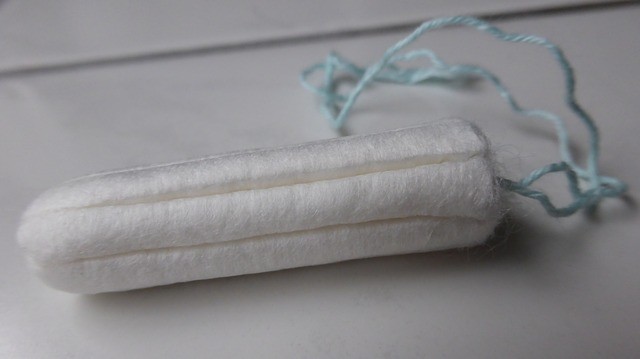


Learn the pros and cons in using tampons. Check out the article we found over at Health Me Up.
Are you confused about making the switch from sanitary pads to tampons? Tampons offer you the freedom to be confident, without worrying about leaks. But tampon usage also comes with potential problems that every woman should know about.
So are tampons the way to go, or are they more trouble than they’re worth? Here are the pros and cons of using tampons to help you make an informed decision.
PROS
Comfort
Most women tend to find tampons more comfortable to wear than sanitary pads. Using tampons allows women to stay more active, without being worried about them “falling” out of place.Better hygiene
Most women feel that using tampons makes them feel cleaner. Tampons do not make you overly conscious about your flow. Pads are messier and can smell foul if worn for too long.Allow swimming
Unlike pads, tampons allow you to swim during your period. They also offer more comfort than pads, so you can play sports and engage in other forms of physical activity.No smell
If you wear your pad for too long, it causes a foul odour. When you wear tampons, you can avoid odour as long as you remove them in time.CONS
Higher risk of toxic shock syndrome (TSS)
Tampon use may increase the risk of TSS. TSS is caused when strep bacteria develop in the vagina and are absorbed into the bloodstream. The symptoms of TSS include fever, nausea, vomiting, diarrhoea, dizziness, dehydration, muscle pain, etc. In some rare cases, TSS can also prove fatal if not diagnosed at the right time. However, it is to be noted that the use of tampons does not cause TSS.Residue
It’s rare, but tampons can leave a residue in your vagina, resulting in bacterial infections and inflammation. As you pull out the tampon out, it sheds some fibre that could later lead to infections.
Next Article: The Top Foods That Improve Your Vaginal Health
Read full article: Pros and Cons of Using Tampons





Misti Ferris-Howes
Apr 23. 2015
I use the diva cup now, never going back to tampons.